Choosing the right grit for your sharpening stone is crucial for effective sharpening and achieving a high-quality edge. Different stages of sharpening require different grits to achieve optimal results.
Basic Grit Categories
- Low (coarse) grit: for fast material removal and repairing blades.
- Medium grit: for regular sharpening and edge maintenance.
- Fine grit: for polishing and achieving a sharp, smooth edge.
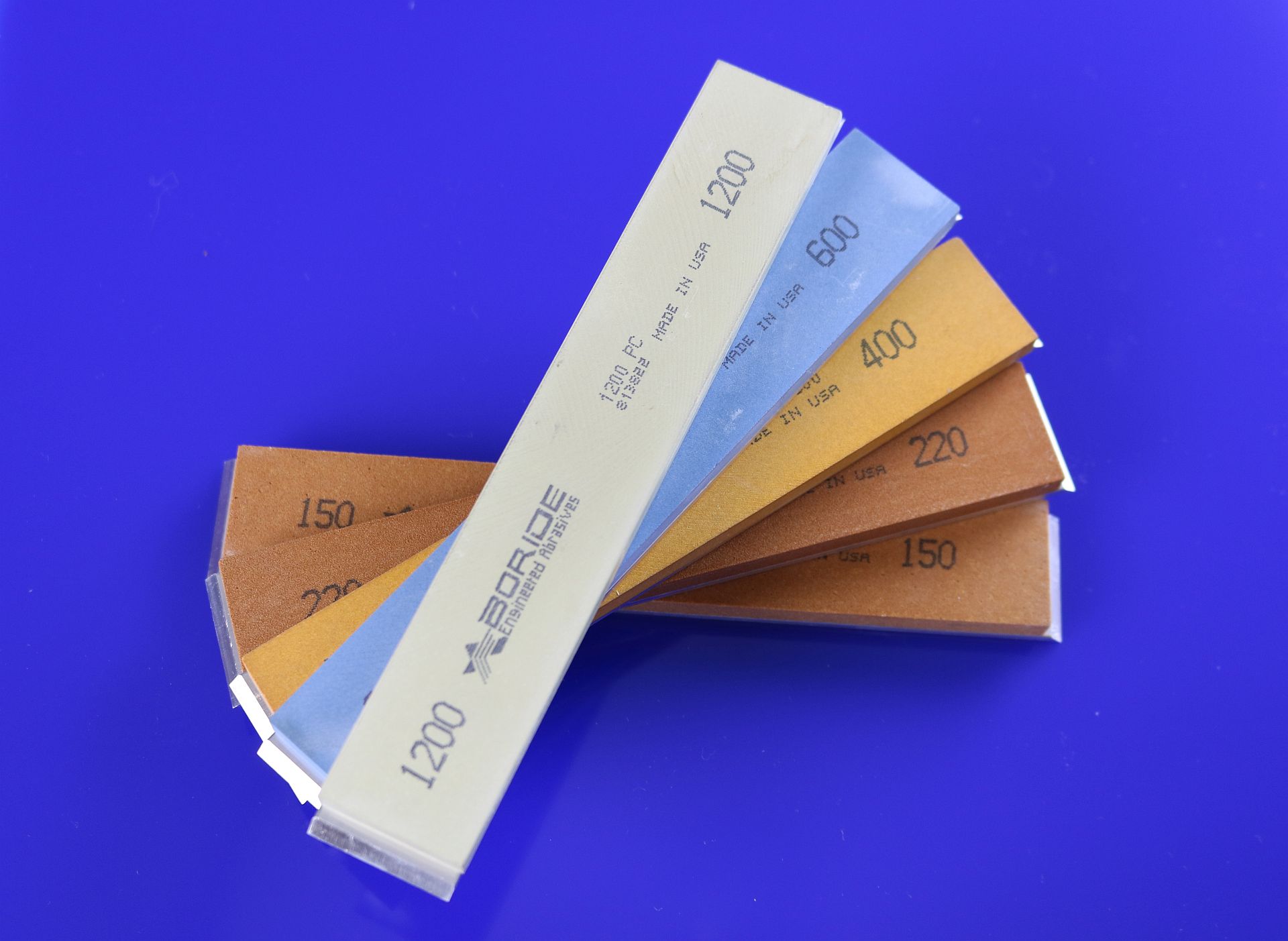
According to experts, typical ranges for whetstones are: coarse stones around 120–400 grit, medium stones 800–2000 grit, and fine stones 3000–8000+ grit.
What Grit to Use for Repairing a Damaged Knife
If the blade has chips, cracks, or significant wear, start with a coarse stone (~120–400 grit) to restore the profile and bevel. This step may take longer, but it removes defects and restores the correct edge shape.
What Grit to Use for Regular Maintenance
After restoring the profile, move to a medium grit stone (800–2000 grit) for routine sharpening and upkeep. This stage removes fine irregularities and restores the edge for everyday use. It’s recommended to use at least two stones – first 600/800 grit, then finish with 1200/1500 grit.
What Grit to Use for Final Polishing
For a thin, sharp, and smooth edge that cuts well and feels “sticky” like a razor, use a fine stone (e.g., 3000–8000 grit and higher). Polishing removes micro-burrs and leaves a smooth, high-quality edge.
When Polishing Doesn’t Make Sense
If you don’t have a guiding system and sharpen a knife freehand, the edge may appear smooth but remain uneven and wavy. Without stable guidance, very fine stones are less effective because consistent angle and contact point are not guaranteed.
Why Precise Angle and Guidance Are Key
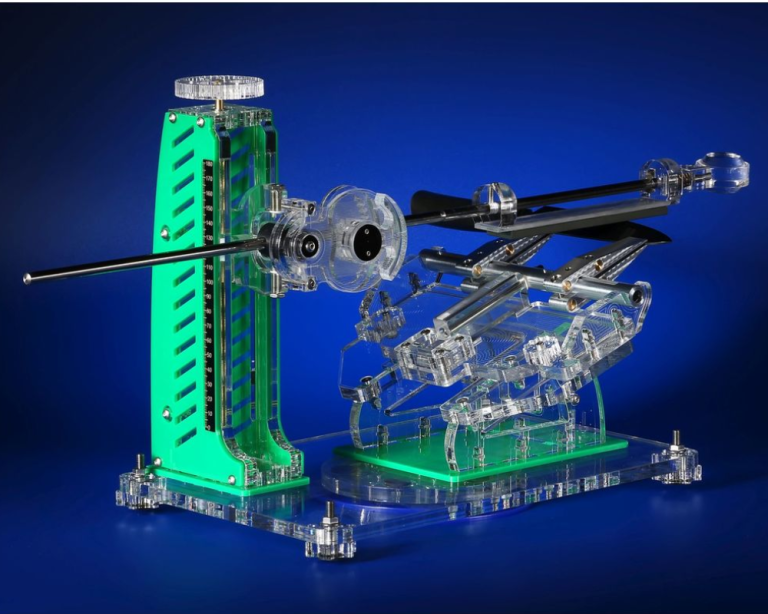
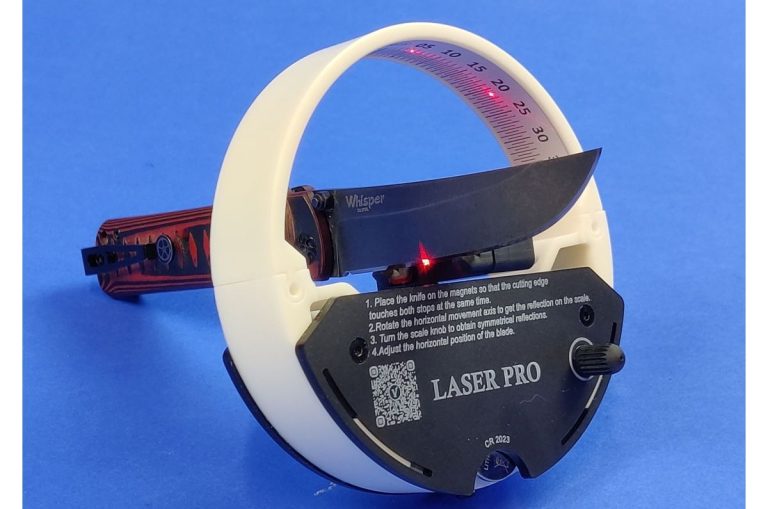
Without the correct angle when transitioning between grits, you can lose the apex, create an uneven bevel, or even worsen the edge. Using an EdgeON goniometer to measure the angle before sharpening and then sharpening on an EdgeON system ensures an efficient progression through each stage and consistent transitions between stones. EdgeON sharpening systems provide a stable platform and guiding mechanism to maintain the angle precisely and consistently at every stage.
Recommended Stone Combinations for Polishing
- Beginners: 1000 / 6000 combo stone – a universal solution.
- Advanced: coarse + medium + fine set (e.g., 400 / 1000 / 8000).
- For special polishing: add an extra-fine stone (>8000 grit).
Conclusion
Choosing the right whetstone grit is essential for effective and high-quality sharpening. Efficient sharpening ensures safe, consistent results, minimal time investment, and minimal material removal. Without precise angle setting and stable guidance (e.g., using a goniometer and EdgeON guide), efficiency is reduced and the edge becomes inconsistent. With the right combination of stones and our tools, you gain control and precision—from coarse sharpening to fine polishing.